

Easy & Private Financing for All Credit Situations
Oregon and Washington’s Auto Credit Experts
I would like to...

We've helped over 20,000 people get a car loan
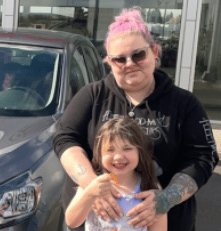
Amazing. My credit was significantly lower than I thought and I still got what I wanted with lower payments than I expected. The whole team here goes above and beyond.

Cory Newport was a great salesman to work with. Very patient and understanding of my complicated circumstances. He worked to get me an amazing vehicle despite my credit challenges.
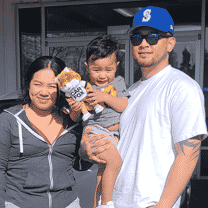
Cory worked very well & helped me get what I wanted even with my certain expectations. Super relatable & a great guy to do business with!
No matter what life throws your way, we can help!

You deserve a second chance regardless of your credit score
Fast, Private & Secure Auto Loan Approval
Get Approved in minutes. No obligations to see where you are.

Easy, Quick, & Free
Our team will get you financing regardless of your credit score. Get approved in as little as 24 hours without affecting your credit score.
Get The Best Rate
With over 20 years and relationships with over 30+ lenders to get you the best rate possible not available anywhere else.
Drive Away in Your New Car
Our service is free to you and will help to rebuild your credit for a better future.
We are more than an online site
We are the only true Dick Hannah dealership with a team dedicated to challenged credit.
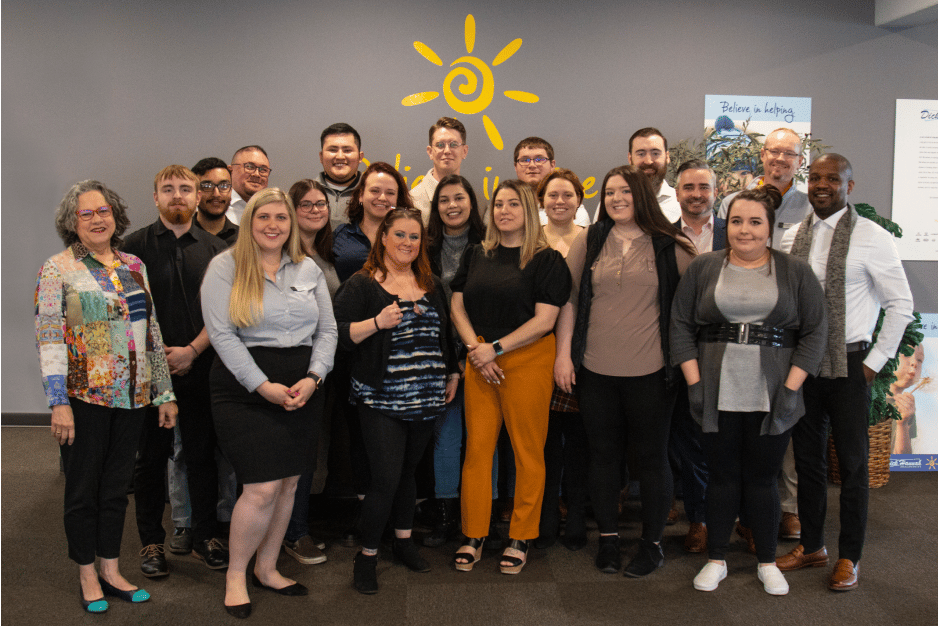
Gladstone, OR Team
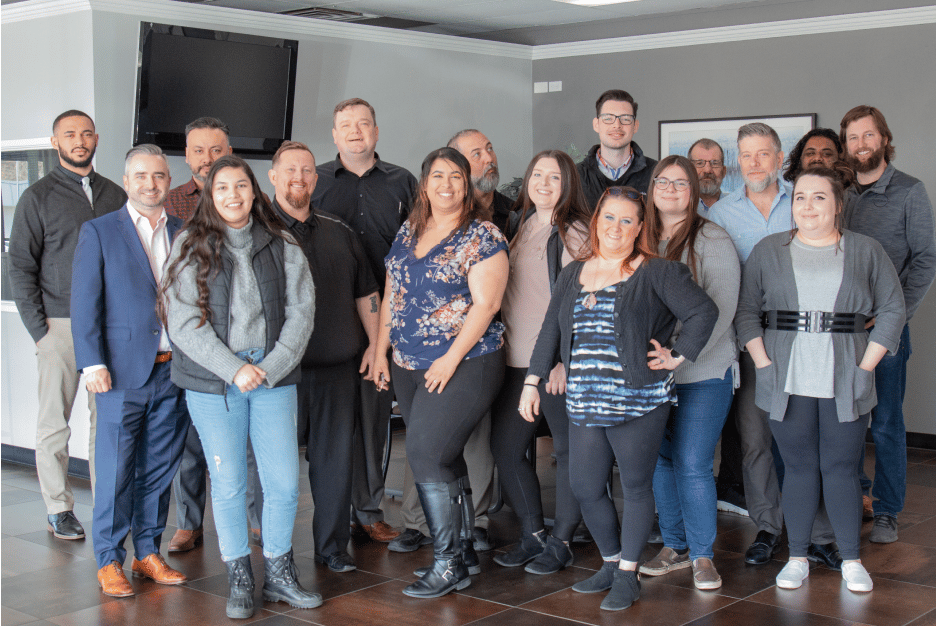
Vancouver, WA Team
Bad credit challenges can be frustrating and leave you feeling lost.
Let our bad credit specialists guide you. Buy a used car with peace of mind.
Dick Says Yes can secure car loan financing for people that have filed for divorce. We have established unparalleled relationships with nearly one hundred lending resources, both local and national, and know all of the ins and outs of each one of their programs. Please keep in mind that we are able to assist you directly in dealership, same day, or you can do a complete preapproval online so you know exactly what the numbers will look like before you ever step foot in our dealership.
Dick Says Yes has lenders that fund car loans for first time car buyers. In fact, one of our specialties is working with people that are early in their credit developing time ensuring they get just the right loan now as well as mentoring them to build a good credit profile.
Quite frankly, this is our real specialty here at Dick Says Yes. Some of our customers have been turned down by car dealers, banks and credit unions. It’s our job to help our customers get a car loan even if they have a low credit score.
Dick Says Yes has lenders that will fund car loans for our customers that have had a car repossession in the past. We work with you to understand what happened that lead to the repossession so that we can share your story with prospective lenders. We have relationships with several lenders to tell that story and get the exceptions you may need to secure an auto loan.
The most common reasons a cosigner is needed are if the primary buyer has credit issues that are too recent to qualify on their own, if their income is not adequate for the amount of financing requested or if the overall credit profile doesn’t meet the lender’s guidelines. With a well-qualified cosigner, someone who would otherwise be turned down for an auto loan will often obtain a favorable approval. Often, many people will use a cosigner, even if they can get approved on their own, as the approval with the cosigner may be at a much lower interest rate saving the primary buyer hundreds or even thousands of dollars in interest over the course of the loan.
Dick Says Yes has lenders that will fund car loans for our customers that have had a car repossession in the past. We work with you to understand what happened that lead to the repossession so that we can share your story with prospective lenders. We have relationships with several lenders to tell that story and get the exceptions you may need to secure an auto loan.
We Pride Ourselves In Going The Extra Mile For You
Favorable financing like no other. Setting you up for success. Rebuild Your Credit Rating For Your Future.
Our Lenders
We partner with hundreds of lenders who share a common goal of helping you achieve your dreams.









Dick Hannah Dick Says Yes, where family, integrity, respect, & purpose matter.
We care about community, we care about people, we care about cars – and it shows. We’re a trusted used car dealer in Portland and Vancouver with over 1,000 five star reviews from friends and neighbors just like you. We are renowned in the community for our charitable donations, our 5-time award-winning workplace, and (of course) our vast selection of used cars for sale. We provide honest, ethical, and unbeatable car service and repair as well.
Dick Hannah Dick Says Yes is a used car dealership where we specialize in providing auto loan financing for Portland area buyers with bad credit, no credit, poor credit, excellent credit and everything in-between. Dick Hannah Dick Says Yes offers a huge inventory of used cars in Portland, OR and Vancouver, WA with literally hundreds of quality pre-owned vehicles that include cars, trucks, SUV’s, and mini-vans.
Dick Hannah has been proudly serving you in Vancouver and Portland for 75 years, and we’ll continue to do so for the next 75. If you have questions about any new or used car for sale, scheduling your car service, or anything else, we’d love to chat with you.
We pride ourselves on going the extra mile.
We do more than help you buy Used cars with Bad credit. a lot more.

Related Links